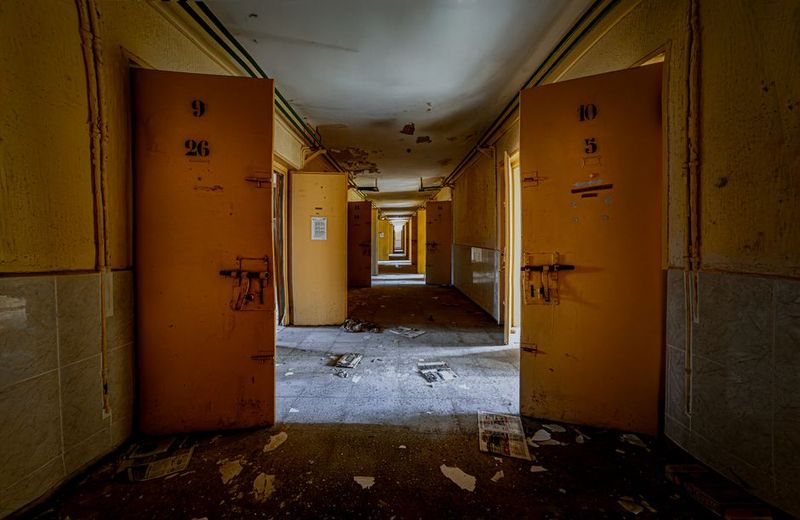
Ten Games That Understand Isolation
A ranked look at horror titles that use physical or narrative isolation to strip away the player's sense of safety.
A Suez-based collective of writers dissecting fear mechanics, tension pacing, and the games that made dread an art form.
Browse ArchiveDeep dives into the mechanics and mood behind gaming's most unsettling experiences
We examine how a passive, non-lethal tool becomes the source of unbearable tension, forcing players to look directly at what terrifies them.
A breakdown of how ambient audio cues and silence itself do more heavy lifting than any jump scare in Frictional's landmark title.
Revisiting the pursuer mechanic that predates modern stalker-horror, and how limited agency shaped a generation of dread design.
How scarce item boxes and finite ammo transformed simple resource management into a psychological pressure system.
Not marketed as horror, yet its ecosystem of predators produces a survival dread rarely matched by genre staples.
We trace how shifting fog-bound streets mirror psychological collapse, turning navigation itself into a narrative device.
Written by horror enthusiasts, not clickbait generators
We weigh atmosphere, mechanical tension, and pacing separately rather than relying on generic 'scariest games' listicle formulas.
A small team in Suez, Egypt sharing a genuine fascination with horror design, writing without editorial deadlines dictating quality.
We focus on dread mechanics — resource scarcity, sound design, pursuer AI — rather than surface-level plot summaries.
Our rankings span PS1-era survival horror through modern indie dread, avoiding tunnel vision on any single generation.
Explore our rankings, argue with our picks, and find the next game that will keep you checking corners.
New essays and rankings published by our Suez writers this month
A ranked look at horror titles that use physical or narrative isolation to strip away the player's sense of safety.

We break down pacing, misdirection, and sound design in jump scares that work versus ones that feel cheap.
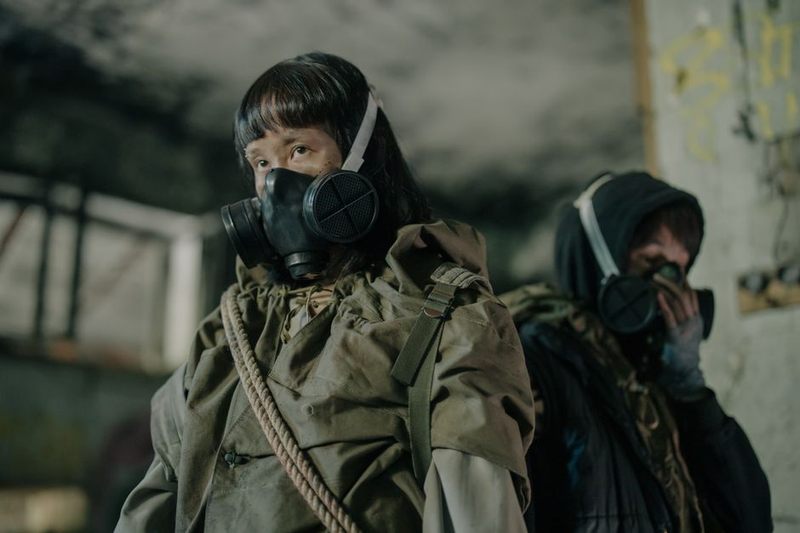
A look back at a mechanic ahead of its time, letting players see through enemy eyes to survive stealth encounters.

Three lesser-known indie horror releases that use limited budgets to build outsized psychological tension.
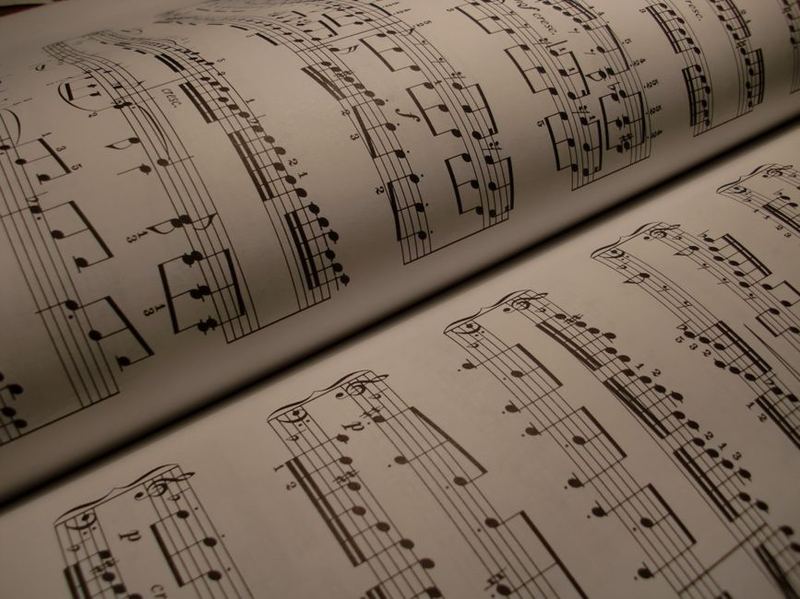
An overview of the composers whose minimalist, dissonant scores shaped how survival horror feels rather than just sounds.
Common questions from our community about how we cover and rank horror titles
We evaluate atmosphere, tension pacing, resource scarcity, and how well mechanics reinforce dread, rather than relying on jump-scare frequency alone. Each ranking includes our reasoning.
Yes, we occasionally feature guest essays from fellow horror enthusiasts. Reach out through our contact page with a pitch and a sample of your writing.
New essays and rankings go up roughly twice a month, focused on quality over frequency since each piece involves replaying or revisiting the games discussed.
Yes, our coverage spans early survival horror from the PS1 era through recent indie releases, since dread mechanics have evolved differently across each period.
Absolutely, reader suggestions often shape our upcoming lists. Send us a message with the title and what specifically unsettled you about it.